
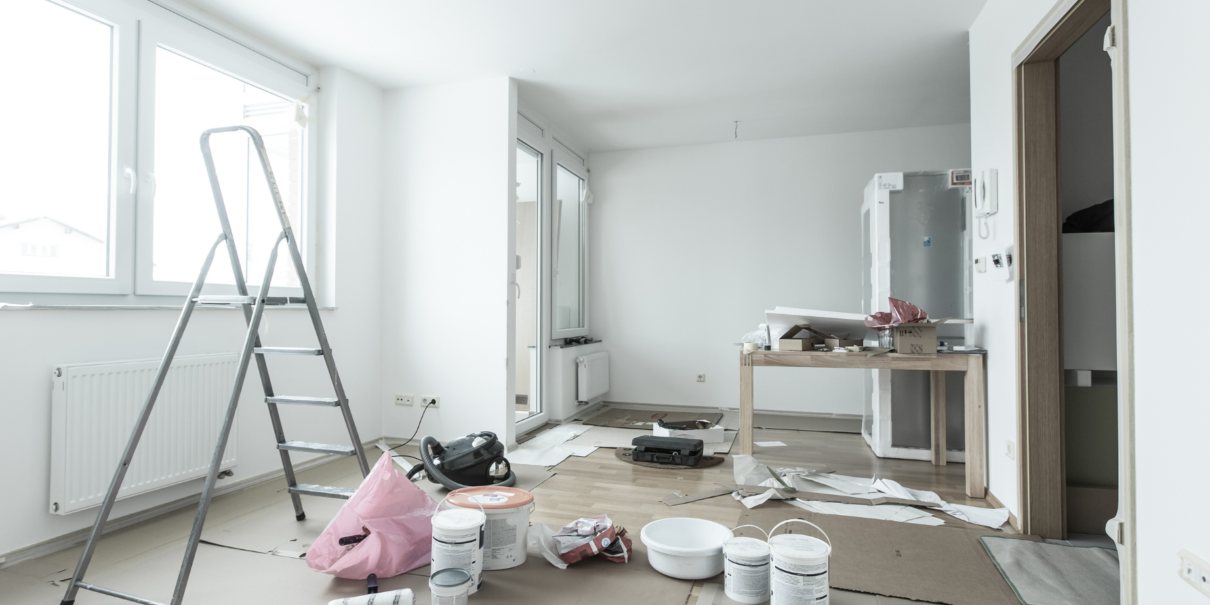
Renovating a home in Nigeria can be a daunting and expensive prospect. However, there are plenty of ways to revamp your house on a shoestring budget. In this blog post, we’ll be sharing some top tips for money-saving renovations that will help you transform your home without breaking the bank. Read on to discover the secrets to saving cash when renovating a home in Nigeria.
Assessing Your Needs: Understanding What Needs Renovation
When renovating a home in Nigeria, it’s crucial to start by assessing your needs and understanding what areas of your house require renovation. This step is vital because it helps you prioritise your budget and allocate resources accordingly.
Begin by taking a thorough look at your home, both inside and out. Consider the overall condition of each room and identify any structural or cosmetic issues that need attention. Look for signs of wear and tear, such as cracked walls, leaky roofs, or outdated fixtures.
Next, evaluate your lifestyle and determine which areas of your home are not functioning optimally. For example, if you enjoy entertaining guests, focus on upgrading your living and dining areas. If you have a growing family, consider adding extra bedrooms or expanding the kitchen.
Don’t forget to assess your home’s energy efficiency. Inspect windows and doors for draughts and check the insulation in your walls and roof. Energy-saving improvements not only enhance your living environment but also help reduce utility bills in the long run.
Take notes and create a list of all the renovations you need to make. This will serve as a roadmap for your project, helping you stay organised and focused throughout the renovation process.
By carefully assessing your needs and understanding what requires renovation, you’ll be able to create a clear plan of action and make the most of your budget.
Planning and Budgeting: Creating a Realistic Budget and Plan
Creating a realistic budget and plan is a crucial step in renovating a home on a shoestring budget in Nigeria. It is essential to have a clear understanding of how much money you can allocate to each aspect of the renovation and to set realistic goals for the project.
Start by researching the costs of materials and labour in your area. Get multiple quotes from different suppliers and contractors to ensure that you are getting the best value for your money. Make a list of all the necessary materials and prioritise them based on their importance and cost. This will help you allocate your budget accordingly and avoid overspending on unnecessary items.
When creating your budget, it’s also important to leave some room for unexpected expenses that may arise during the renovation process. These can include additional repairs, delays, or changes in design plans. By setting aside a contingency fund, you can ensure that you are prepared for any unforeseen circumstances and prevent your budget from spiralling out of control.
Once you have a budget in place, it’s time to create a plan. Break down the renovation project into smaller tasks and assign a timeframe to each task. This will help you stay organised and ensure that the renovation progresses smoothly. Consider prioritising the most important renovations first, such as fixing structural issues or addressing safety concerns.
By creating a realistic budget and plan, you can avoid unnecessary expenses and make the most of your limited resources. It will help you stay focused and ensure that your renovation project stays on track and within budget. With careful planning and budgeting, you can transform your home without breaking the bank.
Prioritising Tasks: Focusing on the Most Important Renovations First
When renovating a home on a tight budget in Nigeria, it’s important to prioritise tasks and focus on the most important renovations first. By doing so, you can make the most significant improvements to your home without overspending.
Start by identifying the renovations that are necessary for the safety and functionality of your home. This could include fixing structural issues, repairing leaky roofs, or addressing any electrical or plumbing problems. These tasks should be your top priority as they ensure your home is safe and livable.
Next, consider the renovations that will have the biggest impact on your daily life. For example, if your kitchen is outdated and in need of repair, focusing on upgrading it will greatly enhance your daily cooking experience and the overall value of your home. Similarly, if you have limited bathroom space, expanding or renovating it can make a huge difference in your daily routine.
Once you have addressed the essential repairs and upgrades, you can move on to cosmetic improvements. This could involve repainting walls, replacing outdated fixtures, or updating flooring. While these changes may not be crucial for the functionality of your home, they can significantly improve its overall appearance and create a more inviting atmosphere.
By prioritising the most important renovations first, you can allocate your limited budget towards the improvements that will have the greatest impact on your home. Remember, it’s better to focus on a few key renovations rather than spreading your resources thin and not seeing significant results.
Upcycling and Recycling: Turning Old Items into New Home Decor
Upcycling and recycling old items is a fantastic way to transform your home décor without spending a fortune. Not only does it save you money, but it also adds a unique and personal touch to your living space.
Instead of throwing away old furniture, consider giving it a fresh new look. A coat of paint, new upholstery, or simply adding decorative accents can completely revive an old piece and make it the focal point of your room. Look for inspiration online or in home décor magazines for ideas on how to update and repurpose your old furniture.
Another great way to upcycle is by using old jars and containers as storage or decorative pieces. You can paint them in vibrant colours, add some decorative labels, or even use them as planters for small succulents. The possibilities are endless!
If you have old frames or mirrors lying around, don’t let them go to waste. Instead, turn them into unique wall art by adding your own personal touch. You can paint them, collage them with magazine cut-outs, or even attach fabric or wallpaper for a textured effect.
When it comes to upcycling and recycling, your imagination is the limit. Look for inspiration in unexpected places and think outside the box. With a little creativity, you can turn old items into new home décor treasures that will give your home a fresh and stylish look, all while staying within your budget. So why not give it a try and start transforming your home today?
DIY Projects: Tackling Renovations Yourself to Save Costs
If you’re looking to save even more money on your home renovation in Nigeria, consider tackling some of the projects yourself. DIY projects can help you cut costs by eliminating the need to hire expensive contractors or labourers. Plus, there’s a great sense of satisfaction that comes with completing a project with your own two hands.
Start by identifying which renovations you feel confident tackling on your own. This could include painting walls, installing new fixtures, or even laying down new flooring. There are plenty of online tutorials and guides available to help you learn the necessary skills and techniques for these tasks.
Before starting any DIY project, make sure you have the necessary tools and materials. It’s also important to prioritise safety by wearing protective gear and following proper procedures.
Not only will taking on DIY projects save you money, but it will also give you a sense of ownership and accomplishment. You’ll be able to take pride in the fact that you transformed your home with your own efforts. Just remember to be realistic about your skills and limitations and don’t hesitate to seek professional help if needed.
Bargain Hunting: Scouring Flea Markets and Online Sales for Affordable Finds
One of the best ways to save money when renovating a home in Nigeria is to go bargain hunting. Scouring flea markets and online sales can help you find affordable and unique items to spruce up your living space without breaking the bank.
Flea markets are a treasure trove of hidden gems, where you can find everything from furniture to decorative pieces at a fraction of the cost. Take your time to explore different markets and keep an open mind. You never know what amazing finds you might come across!
Online sales platforms are another great resource for budget-friendly home décor. Websites like Jumia and Konga often have sales and discounts on furniture, lighting, and accessories. Take advantage of these offers and keep an eye out for any deals that match your style and budget.
When shopping online or at flea markets, it’s important to have a clear idea of what you’re looking for. Make a list of the specific items you need for your renovation project, such as a new coffee table or wall art. This will help you stay focused and avoid impulse purchases.
Remember, bargains can be found in unexpected places, so keep an open mind and be patient. With a bit of perseverance and some good old-fashioned bargain hunting, you can find affordable and stylish pieces to transform your home. Happy hunting!
Working with Local Suppliers: Negotiating Prices with Nigerian Suppliers
When renovating your home in Nigeria on a tight budget, working with local suppliers and negotiating prices can help you save even more money. Local suppliers are often more flexible when it comes to pricing, and by engaging in negotiations, you can get the best deals for the materials and services you need.
Start by doing some research and identifying local suppliers in your area. Visit their shops or reach out to them online to discuss your renovation project and get quotes. Once you have a few options, compare prices and ask if they offer any discounts for bulk purchases or long-term customer relationships.
When negotiating prices, be confident and prepared. Highlight your budget constraints and let them know that you are open to exploring alternative options or materials. Emphasise the value of a long-term partnership and your willingness to refer them to others if you are satisfied with their service.
Be respectful and courteous during negotiations, but also be persistent. Don’t be afraid to ask for lower prices or for them to match a competitor’s quote. Remember, negotiating is a common practice in Nigeria, so suppliers are used to this process.
By working with local suppliers and negotiating prices, you can secure the best deals and stretch your budget even further. Don’t be afraid to advocate for yourself and your budget. With some negotiation skills and a bit of charm, you’ll be surprised at the savings you can achieve.
Simple Updates with Big Impact: Making Small Changes That Have a Big Effect
When it comes to renovating a home in Nigeria on a tight budget, it’s important to remember that small changes can make a big difference. You don’t always need to completely overhaul a room to transform its look and feel. With a few simple updates, you can achieve a big impact without breaking the bank.
One of the easiest ways to make a significant change is by updating your lighting. Consider replacing outdated fixtures with modern and energy-efficient options. Install new light bulbs that provide a warm and inviting glow. You’ll be surprised at how much a simple lighting upgrade can improve the ambiance of a room.
Another cost-effective update is to add a fresh coat of paint. A new colour can instantly revitalise a space and make it feel brand new. Choose light and neutral tones to create a bright and airy atmosphere. If you’re feeling bold, consider an accent wall in a vibrant colour to add a pop of personality.
Don’t overlook the power of textiles in transforming a room. Swap out old curtains or blinds for new ones that complement your decor. Invest in some stylish cushions or throw blankets to add comfort and a touch of style to your living area.
Finally, consider updating your hardware. Changing the handles on your kitchen cabinets or the doorknobs throughout your home can give it a modern and polished look. These small details can make a big difference in the overall aesthetic of your space.
By making these small changes, you can give your home a fresh and updated look without spending a fortune. So go ahead, get creative, and see the big impact that simple updates can have on your home.


Leave a Reply