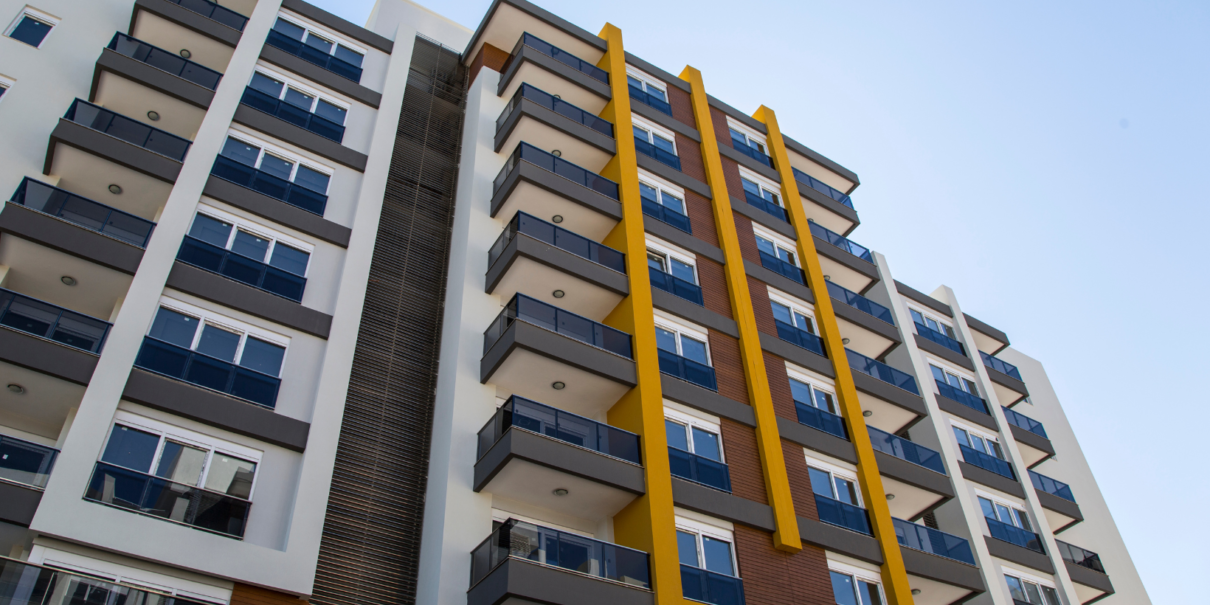
Discovering the perfect rental property in Nigeria can be both an exciting and daunting task. With a vast landscape that stretches from the bustling streets of Lagos to the serene hills of Jos, Nigeria offers a diverse array of living environments for prospective renters. Whether you’re looking for a modern flat in a high-rise building, a spacious house in a gated community, or commercial property for your business, Nigeria has something to fit every preference and budget. This guide is designed to navigate you through the intricate process of finding your perfect Nigerian rental property, covering everything from understanding the local rental market to legal considerations and financial planning.
Understanding the Nigerian Rental Market
The rental market in Nigeria showcases a fascinating diversity that mirrors the country’s rich cultural and geographical landscapes. In bustling urban centres such as Lagos and Abuja, the high demand for rental properties is a reflection of their economic vibrancy, which in turn escalates rental prices and intensifies the competition among prospective tenants. These cities are marked by a swift pace of life and a premium on convenience, driving the popularity of modern flats and commercial spaces. On the other hand, more tranquil locales offer a different scenario, where the pace slows down and rental costs become more accessible, albeit with a trade-off in terms of amenities and infrastructure.
A distinctive feature of Nigeria’s rental market is its seasonality. The periods leading up to new academic terms or major holidays often see a surge in demand, making these times particularly competitive for house hunters. It’s crucial for those looking to rent to be aware of these fluctuations to strategise their search accordingly.
Another aspect to consider is the varying practices and legal frameworks across regions, which can affect everything from lease agreements to tenant rights. This regional diversity means that thorough research and possibly local guidance are indispensable for navigating the rental landscape effectively.
Prospective tenants should also be mindful of the market’s dynamic nature. With urbanisation and economic developments, new areas can emerge as hotspots, potentially offering valuable opportunities for those willing to explore beyond established locales. Understanding these nuances of the Nigerian rental market is key to finding a property that not only meets one’s needs but also provides a sense of place and community.
Types of Rental Properties Available in Nigeria
In Nigeria, the rental market is diverse, catering to a broad spectrum of tastes and financial capabilities. Urban areas, particularly the bustling cities like Lagos and Abuja, boast an array of flats and apartments. These range from compact studio apartments, ideal for single professionals, to larger, family-friendly apartments that offer multiple bedrooms and ample living space. For those seeking more privacy and space, houses are a prevalent choice, with the selection varying from simple, cosy bungalows to opulent duplexes and standalone homes that often come with gardens and extra facilities.
Commercial property seekers will find Nigeria’s market equally accommodating, offering everything from small retail units within lively markets to expansive office spaces in modern high-rise buildings. This variety meets the needs of both new startups and established businesses looking to expand their operations.
Another unique facet of the Nigerian rental landscape is the availability of land for lease. This option attracts individuals or organisations interested in constructing bespoke residential or commercial structures, providing a canvas for custom developments.
Whether one’s preference leans towards the convenience of urban living or the tranquillity of more secluded areas, the Nigerian rental market presents a wide array of choices to accommodate different needs and aspirations. From sleek city dwellings to expansive rural estates, the diversity of rental properties ensures that there is something to match every desire, underscoring the dynamic and versatile nature of Nigeria’s property landscape.
Navigating the Search for Your Ideal Property
Embarking on the quest to locate your ideal rental property in Nigeria calls for a strategic approach underpinned by patience and meticulousness. Begin the journey by delineating your non-negotiable property features alongside a preferred locale. In the digital age, online property platforms and estate agencies emerge as indispensable allies, proffering a wide selection of listings that cater to varied preferences and providing insights into the nuances of local market trends.
Leveraging networks, be they local residents or fellow expatriates, can unearth leads on properties that haven’t hit the mainstream market yet, along with recommendations for trustworthy real estate professionals. The importance of considering the property’s proximity to essential amenities such as workplaces, educational institutions, and leisure facilities cannot be overstated, as it significantly impacts daily living convenience. Equally crucial is the neighbourhood’s safety and security profile, which ensures peace of mind.
As you navigate through this phase, remember that each step taken brings you closer to finding a property that not only meets your requirements but also enhances your living experience in Nigeria. Keeping an open line of communication with real estate agents and being clear about your expectations will further streamline the search process, making it less overwhelming and more targeted towards finding a place that you can truly call home.
Legal Considerations and Tenancy Agreements in Nigeria
Understanding the legal framework governing rental agreements in Nigeria is paramount for a seamless renting experience. Tenancy agreements are legal documents that stipulate the terms and conditions agreed upon by the landlord and tenant. These include payment terms, the tenancy duration, and provisions for renewal or termination. Before appending your signature to any tenancy agreement, it is vital to conduct a thorough review to ensure that all terms are clear and equitable. Additionally, verifying the property’s legal standing and the landlord’s right to lease ensures that you’re entering into a lawful arrangement. In situations where the legal jargon or the terms seem complex, seeking professional legal advice is advisable to prevent any future disputes or misunderstandings. Ensuring that your tenancy agreement complies with Nigerian law not only secures your residency but also safeguards your rights as a tenant. This proactive approach to understanding and negotiating your tenancy agreement can mitigate potential legal hurdles, making your tenancy more enjoyable and stress-free.
Financial Planning and Budgeting for Your Rental
When embarking on the journey to rent a property in Nigeria, crafting a meticulous financial plan is indispensable. Beyond the monthly rent, prospective tenants must factor in ancillary costs that are often overlooked. A security deposit, typically equating to a month’s rent, is standard, along with possible service charges that encompass maintenance of communal areas for those opting for flat living. Utility bills, which can vary significantly depending on location and lifestyle, along with maintenance costs for repairs not covered by the landlord, should also be budgeted for.
Prospective renters should delve into the cost of living specifics of their chosen locale to accurately budget for daily living expenses, from groceries to transport. This understanding enables the allocation of funds in a manner that precludes financial discomfort. Additionally, maintaining a reserve fund for unforeseen circumstances, such as emergency repairs or sudden changes in employment status, is prudent.
Setting a realistic budget that encompasses all these facets, and adhering to it, is crucial. This discipline aids in circumventing financial pitfalls and ensures a stable and stress-free tenancy. While the allure of a property that ticks all aesthetic and comfort boxes can be strong, financial sustainability should remain a paramount consideration. Thus, thorough financial planning and budgeting emerge not just as a preparatory step, but as a continuous aspect of a rewarding rental experience in Nigeria.
Inspecting Potential Rentals
Conducting a meticulous inspection of any prospective rental property is a crucial step in the rental process. This inspection should encompass a detailed examination of the structural integrity of the building, including the state of the roof, walls, and foundations. It is equally important to evaluate the functionality of the plumbing and electrical systems, ensuring that all fixtures and fittings are in good working order. Security measures such as locks, alarm systems, and the overall safety of the neighbourhood should also be scrutinised to guarantee your peace of mind.
Another aspect to consider is the property’s immediate environment. Visiting the property at various times of the day can provide insight into the daily dynamics of the area, including traffic patterns, noise levels, and general activity. This can help you assess whether the location aligns with your lifestyle and comfort requirements.
Engaging with the existing tenants or neighbours can offer invaluable perspectives on living in the area, the landlord’s responsiveness to maintenance requests, and the community’s atmosphere. Their firsthand experiences can highlight potential issues or benefits that might not be immediately apparent.
During the inspection, it’s advisable to document any defects or areas of concern. This record can serve as a reference when discussing repairs or improvements with the landlord before signing the lease. Addressing these issues early on can prevent misunderstandings and ensure the property meets your standards before you commit to making it your home.
Tips for a Successful Rental Experience in Nigeria
To ensure a smooth and positive rental experience in Nigeria, engaging in transparent and open dialogue with your landlord from the outset is key. This not only facilitates a clear understanding of each party’s expectations but also lays the foundation for a trustworthy relationship. Documentation is critical; ensure that you keep a comprehensive record of all transactions, agreements, and communications related to the rental. This includes receipts for rent payments, service charges, and any correspondence regarding maintenance or disputes.
Understanding your rights and obligations as a tenant is crucial. Familiarising yourself with local tenancy laws will empower you to navigate any potential challenges confidently and protect your interests. Similarly, being aware of your landlord’s responsibilities will help you to hold them accountable to their obligations, fostering a balanced and fair tenancy arrangement.
Building a positive rapport with neighbours and the broader community can significantly enhance your rental experience. This not only creates a supportive living environment but can also provide you with a network of local knowledge and assistance when needed.
Respecting the property and adhering to any community guidelines or rules is fundamental. This includes maintaining the cleanliness and condition of the property, being considerate of noise levels, and following any specific rules set out by your landlord or the community. Such respect and consideration contribute to a harmonious living situation, benefitting all parties involved.
Engage proactively with any maintenance or repair issues, reporting them to your landlord in a timely manner. This not only helps in preserving the property’s condition but also demonstrates your commitment as a responsible tenant.
The Future of Renting in Nigeria
The rental market in Nigeria is on a trajectory of transformation, influenced by technological advancements and changing societal needs. The advent of digital platforms is revolutionising the way properties are searched for, streamlining the process and enhancing the efficiency of transactions. This digital shift not only offers convenience but also fosters a higher degree of transparency between landlords and tenants, making it easier to compare properties, verify ownership, and review tenancy agreements online.
Moreover, there’s a growing consciousness among renters for sustainable living options. The demand for eco-friendly properties that incorporate green technologies and sustainable design principles is on the rise. This trend is not only driven by environmental concerns but also by the long-term cost savings and health benefits associated with living in such spaces. Developers and landlords are responding by integrating renewable energy sources, efficient waste management systems, and green spaces into their properties, appealing to this new wave of eco-conscious tenants.
Another significant shift is the increasing demand for flexible housing solutions. The traditional long-term lease is gradually giving way to more adaptable arrangements. Co-living spaces, short-term rentals, and furnished apartments are gaining popularity, especially among young professionals and expatriates who value flexibility and community living. These trends indicate a move towards a more dynamic and tenant-centric rental market in Nigeria, promising a future where renting is not just a necessity but a lifestyle choice that caters to the diverse needs and preferences of its populace.